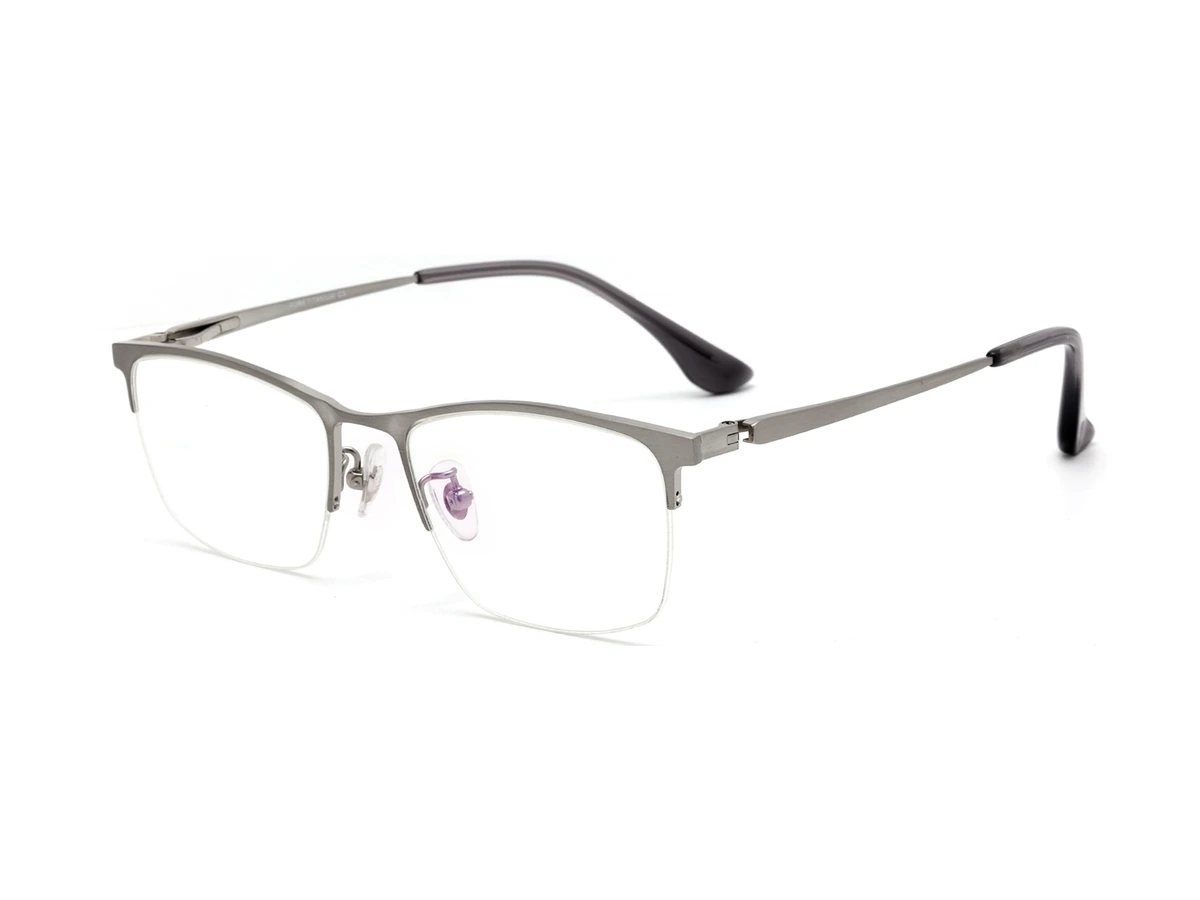
The main parts of eyeglass frames are the front, bridge, temples and their connections. Depending on the design, you may also see rims, nose pads, pad arms, temple tips, screws and trim. Some features are built into a larger part rather than supplied separately. Lenses belong to the finished eyewear, but they are a separate item to confirm in a frame order.
For a wholesaler or private-label buyer, knowing the names is the starting point. The next step is identifying the exact component, what you want changed and what the supplier will deliver. A request for “the small silver piece” leaves too much open.
A quick guide to eyeglass frame parts
Brand-owned guides such as Warby Parker’s glasses anatomy guide use these common names. Use them to locate a feature, then add the model and specification when asking for a quote.
| Part | Where it is or what it does | Buyer question |
|---|---|---|
| Frame front | The assembly across the face. | Which components are included? |
| Rim / eyewire | The border around a lens. | How does this model retain the lens? |
| Bridge | The central connection between the lens areas. | Which shape and dimensions are specified? |
| Top / brow bar | An optional bar above the bridge. | Is this feature part of the proposed model? |
| Nose pad | A support surface at the nose. | What is its material and attachment? |
| Pad arm | A support joining a separate pad to the frame. | Which pad and service method does it use? |
| Endpiece | The outer front area meeting the temple connection. | Can you show the joint from both sides? |
| Hinge | The joint used to fold a temple. | Which mechanism and component reference? |
| Temple / arm | The side extending toward the ear. | Which length, material and side? |
| Temple tip | The end of a temple near the ear. | Is a separate cover fitted? |
| Fasteners / trim | Screws, fittings or decorative details at particular locations. | Which exact part and function? |
This is a location guide, not a fixed parts count. One model may use a separate nose-pad assembly; another may form the nose support into the front. Do not assume every row is a replaceable item.
Read the front before specifying the lens mounting
The front brings together the lens openings, bridge and outer connection areas. A rim describes the border at a lens, not the whole front assembly. A top bar is another feature to identify separately from the bridge.
For a full-rim request, ask how the selected model closes around the lens. For a semi-rimless or rimless request, ask for the actual retention or mounting information. The frame types guide explains those construction terms without treating them as material names.
The front view below helps locate the bridge, rims and nose supports. It cannot tell you the size of an unseen fitting or which parts can be ordered separately.
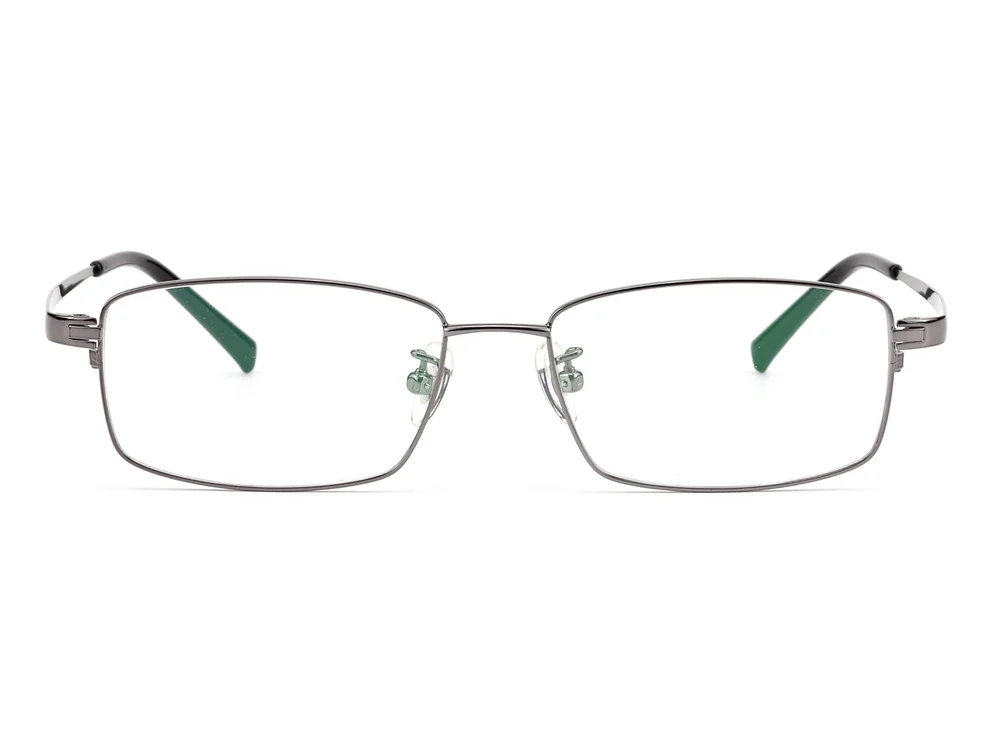
Keep the supplied lenses in a separate line of the quotation. Ask whether the offer includes demonstration lenses, finished sunglass lenses or another agreed configuration. Neither the photograph nor the frame’s material confirms a lens specification. A rimless order also needs the mounting details covered in our rimless buying guide.
Separate nose supports, temples and their materials
Nose pads and pad arms are different items: one contacts the nose, while the other supports a separate pad. The Readers.com frame diagram guide also distinguishes these from temple tips. Those names help locate a part; they do not establish its material or suitability for a wearer.
Ask the supplier to identify the pad material, attachment and part reference. If you want a change, mark the area on a reference image. Do not describe a clear pad as silicone unless the specification confirms it. An apparently similar replacement still needs its connection checked.
For temples, record the required length, shape and any separate tip or cover. Specify left, right or a pair, and confirm that both sides use the same identification convention. A front-on photo can reverse the viewer’s idea of left and right, so label the image too.
Use a separate material entry for each relevant component. A titanium frame description does not tell you the material of every pad, cover or fastener. Put missing information in the supplier questions rather than filling it from the photograph. The frame sizes guide covers the measurements to keep with this record.
Identify the hinge, not just its appearance
A hinge lets the temple fold, but its name alone does not identify how the joint is held together. LINDBERG’s official heritage account, for example, describes its screwless spiral hinge. That is a documented brand design, not a mechanism we claim to reproduce or supply.
Likewise, OBE’s official component overview separates spring-hinge and screw offerings. For your own order, request the proposed component’s reference and specification. A familiar brand name or a shiny finish is not enough to identify it.
Ask for close-ups with the temple open and closed. Mark the joint you mean: the temple hinge, a rim closure and a pad attachment are different locations. If a visible dot or plate matters, ask whether it is a fastening part or decoration.
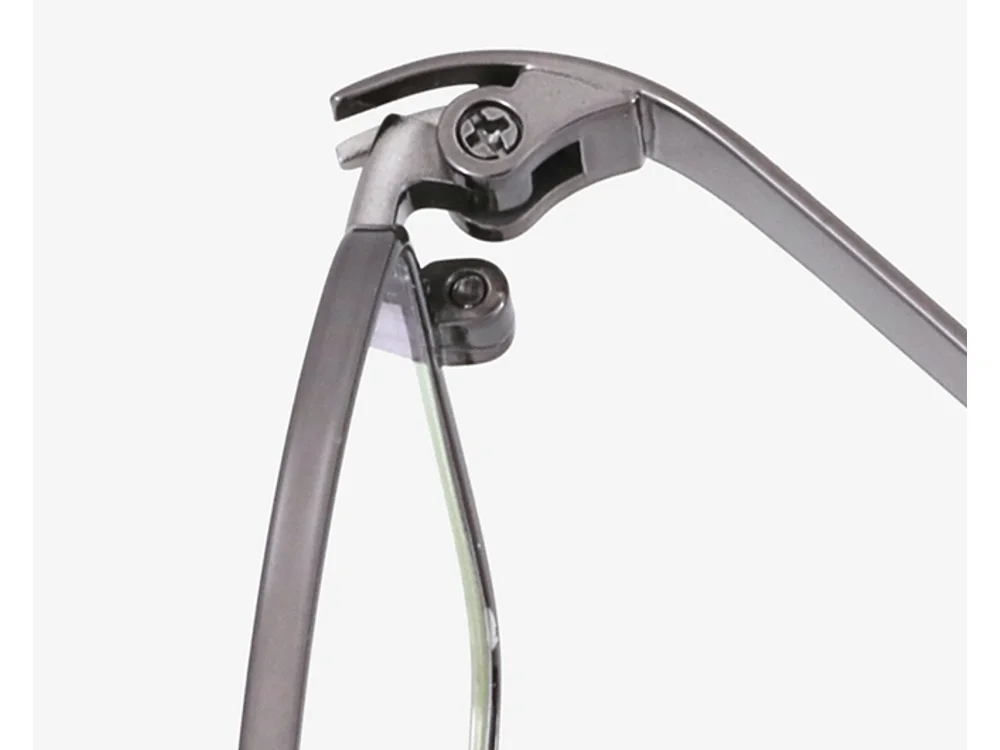
Confirm movement and service requirements for the selected mechanism. Do not treat spring, screwless and maintenance-free as interchangeable claims. Our screwless frame guide covers the separate questions about assembly, performance and service access.
Turn the part names into an order record
Use a short component list beside the drawing or sample reference. A bill of materials, or BOM, is a list of the parts in an assembly. For an early inquiry, a simple marked photo and a list of open questions may be enough to start the review.
Record these details where they are known:
- Product: model, size, color and sample revision.
- Location: part name, image label and left/right position where relevant.
- Identity: supplier’s part number or proposed component reference.
- Specification: confirmed material, finish, dimensions and connection details.
- Supply: complete frame, assembly or individual part; quantities and units.
- Approval: the sample or drawing version that will be checked.
For example: “Please identify the right temple assembly on model X, size variant Y. Quote the complete assembly and confirm whether the hinge and tip are included.” This is a request format, not a claim that those parts are available for every model.
Ask who must approve a proposed substitution. A new hinge, pad or tip reference should not silently replace the one attached to an approved sample.
Confirm what the supplier will deliver
For a complete-frame order, clarify whether any spare parts are included or quoted separately. For a repair-part request, confirm that the supplier offers that item independently and can match the exact model and revision.
Agree on the unit as well as the count. One pair of temples, one individual temple and one complete frame are different quantities. Confirm packaging labels and how a retailer will identify the delivered parts.
Do not assume the complete frame’s MOQ, price or lead time applies to loose components. Ask for the relevant terms and any service instructions. The frame care guide explains how to keep customer-facing instructions tied to the actual model.
Frequently asked questions
What are the arms of glasses called?
They are called temples. A temple tip is the end section near the ear, not another name for the complete arm.
Is the bridge the same as the nose pads?
No. The bridge connects the two lens areas. Separate nose pads and their supports are additional features on models that use them.
Can two frames use the same replacement screw or nose pad?
Do not assume they can. Confirm the component reference, dimensions and attachment for the model. A shared material, size marking or similar appearance does not establish a match.
Can I start an OEM inquiry without a parts drawing?
Yes. Send a model link, reference photo or sample and mark the features you want to discuss. The supplier can identify the information needed before a firm quote or sample plan.
Browse our eyeglass frame catalog for a starting reference, or review custom eyewear development. Send your frame brief with quantities, target market and the marked component questions. We will review the request and confirm the available options; this guide is not a separate spare-parts availability list.