A sunglasses quality checklist starts with three things: the exact frame, the lenses fitted to it and the evidence behind the finished product’s claims. A dark lens or a UV400 sticker cannot replace that record. Before a wholesale order, agree what the supplier will deliver and how you will approve it. Then keep the sample, specification and supporting documents linked to the same model and version.
This guide is for wholesalers, importers and private-label brands sourcing sunglasses. It provides purchasing questions, not a laboratory test method or a complete compliance checklist for every market.
Define what the supplier will deliver
State whether you are buying frames only or complete sunglasses with lenses fitted. For a finished-pair order, identify the frame model, size, color and component materials, then specify the proposed lenses separately.
Ask for the lens material, color reference, tint or gradient, coatings and any requested polarization. Identify the intended use and destination market. Keep nonprescription and prescription requirements separate; do not assume the same quotation or review covers both.
If you start with a reference photo, name the details you want to discuss. A photo can explain the look, but it cannot confirm lens material or protective performance. Leave unresolved specifications open for supplier confirmation rather than filling them from appearance.
Separate tint, polarization and UV protection
These terms answer different questions. The FDA’s sun-safety guidance states that lens darkness does not indicate how well it shields the eyes from UV rays. ZEISS’s explanation of UV and glare protection also distinguishes visible-light glare from invisible ultraviolet radiation.
For the purchase specification, ask about each requirement separately:
- Tint and visible-light transmission: what color and level of visible-light transmission are specified, and what filter category applies under the selected standard?
- Polarization: is it requested, how is it specified and what evidence confirms that property?
- UV claim: what exact wording is proposed, which requirement supports it and which test results apply to the lenses supplied?
A polarization demonstration does not establish UV performance. Likewise, do not infer a UV claim from a mirror finish, lens color, frame material or price. Get the relevant evidence before approving the statement for a listing, label or package.
Check that the report belongs to the product
Request the report that supports the proposed claim, not just a certificate image in a supplier presentation. Have a qualified testing or compliance specialist assess whether its scope covers your product and intended market.
Check the report’s model reference, sample description, lens material and color, photographs where provided, date, issuing laboratory, test method and results. Ask the supplier to explain differences between the tested sample and your ordered version.
A report for one lens configuration does not automatically cover every tint, coating or later substitution. Ask the lab which variants it covers and which changes need further evaluation. If the report’s identity or authenticity is unclear, seek verification through the issuing organization’s official contact route.
Keep appearance approval separate from test approval. A sample may match the desired color while still lacking the evidence needed for a protective claim.
Agree the destination-market requirements
ISO 12312-1:2022 covers plano sunglasses and clip-ons for general use. ISO also lists Amendment 1:2026. Ask the responsible lab or compliance adviser to confirm the applicable edition, amendments and market requirements; a standard’s title is not proof that a model complies.
Do not use a general-use sunglasses specification to promise industrial eye protection, direct solar viewing or suitability for every driving condition. Special uses need their own assessment.
Market rules also differ. For example, Australia’s ACCC overview describes requirements covering construction, performance, testing and labeling, and directs suppliers to specialist testing laboratories. That overview is not a substitute for the full requirements, nor a checklist for every other country.
Agree who will obtain and review the required documents and approve the final claims. Do this before printing packaging, not after shipment.
Review the complete assembled sample
Check the actual frame-and-lens combination against the written brief. Record its model, variant and sample revision. Review alignment, hinge movement, lens seating, visible surface condition, finish and logo placement.
Request clear front, side and connection views when reviewing remotely. The image below illustrates the kind of frame detail a buyer can inspect; it is not a sunglasses test sample.
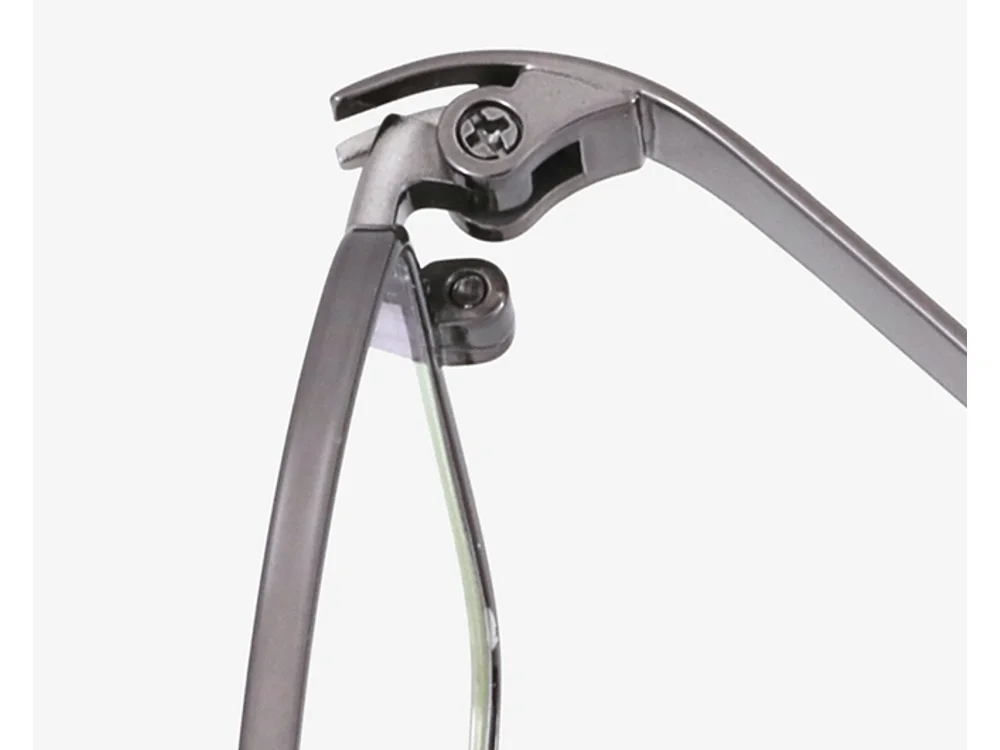
Visible defects or mounting concerns should be discussed with the supplier. Informal inspection cannot measure UV transmission, establish long-term durability or replace a specified optical test. Our frame quality-control guide explains how sample checks fit into a wider inspection plan.
Keep production and labels tied to the approved version
Save the approved frame, lens specification, sample photos, report references and packaging artwork together. Agree the production inspection scope and acceptance criteria, including how nonconforming items will be handled.
Ask for notice before a lens material, tint, coating or frame component changes. Have the responsible reviewer decide whether the change affects testing, labels or instructions. A matching model name is not enough to establish an unchanged product.
Check that labels and online copy use only supported claims and the applicable usage information. Approve care instructions for the final frame and lenses together; our frame care guide covers that handoff.
Prepare a quotation you can compare
Send the frame reference, lens requirements, quantity, target market, branding and packaging request. Add the evidence and inspection requirements already identified. Ask the supplier to state what is included, what remains unconfirmed and which samples or tests require separate work.
Use the same brief across offers. Our eyewear quotation checklist helps separate product costs from sampling, customization and other charges without assuming a starting price covers everything.
Frequently asked questions
Does UV400 printed on a lens prove the product was tested?
No. Request the supporting report and confirm that it covers the supplied configuration. A printed claim is not the test result itself.
Are polarized sunglasses automatically UV-protective?
Do not use polarization as proof of UV performance. Specify both properties and ask for the evidence supporting each claim.
Can one report cover every color in an order?
Ask the laboratory or responsible reviewer to confirm its scope. Do not assume that a result for one color covers all materials, tints and coatings.
Can we start with a photo instead of a technical drawing?
Yes. A photo can start a sourcing discussion. Identify the quantity, target market and desired lens configuration, then resolve the missing specifications before approval.
Titanium Frames can supply complete sunglasses with fitted sun lenses. Availability, lens options and supporting documentation must be confirmed for the selected model and order. Send your reference and request a sunglasses quote; include any required claims or tests so they can be reviewed before the specification is agreed.